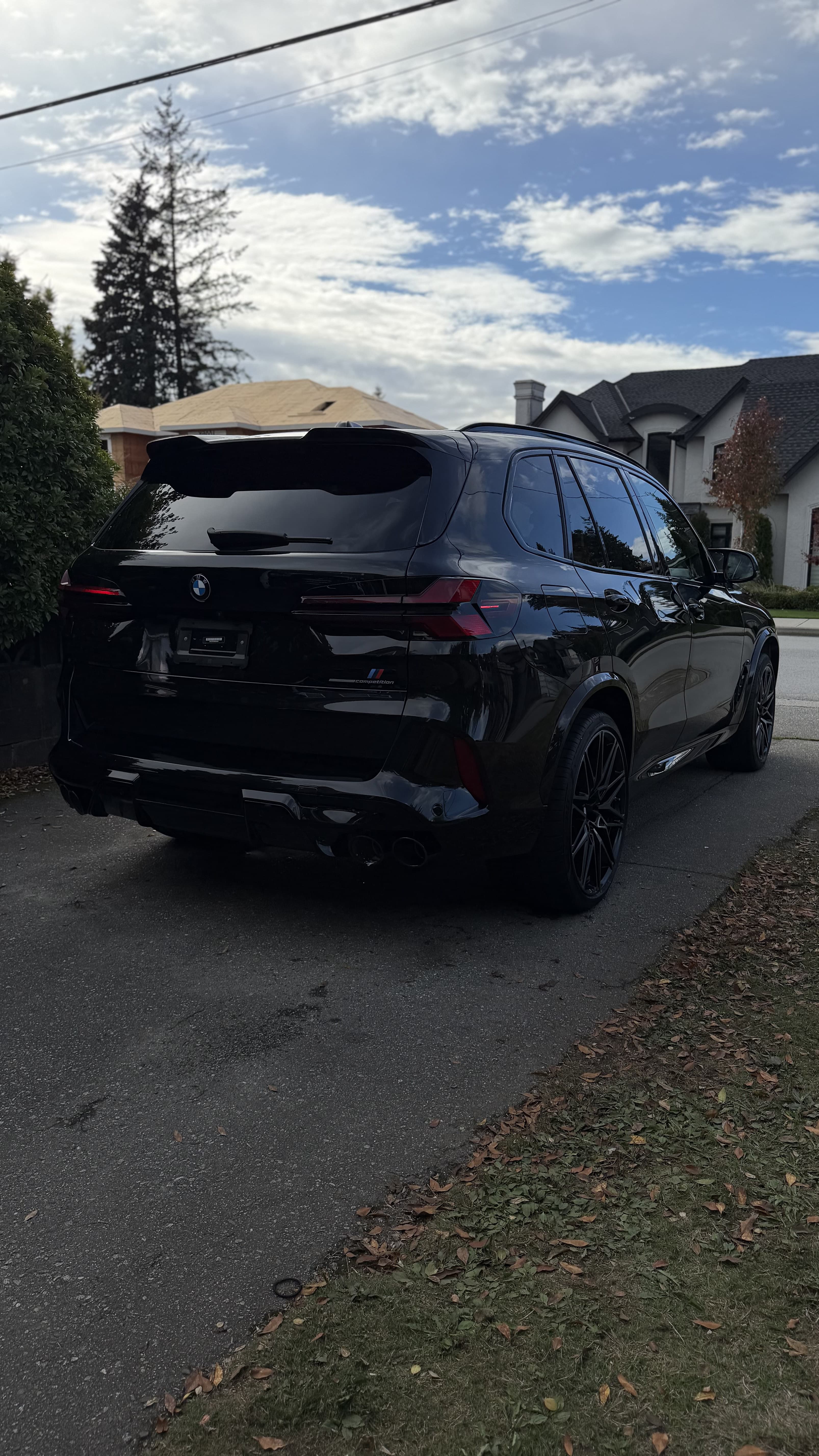
Paint correction cost in Vancouver runs about $250–$800 for a one-step polish, $450–$1,500+ for a two-step correction, and $985–$2,500+ for a three-step correction (2026 Metro Vancouver market range). Price depends on how many stages your paint needs, vehicle size, and paint condition. Shops that bill hourly charge $120–$140 an hour, and most paint correction jobs run 8–16 hours.
| Stage | What it fixes | Typical time | Metro Vancouver market range |
|---|---|---|---|
| One-step polish | Light swirls, haze, dullness | 3–6 hrs | $250–$800 CAD |
| Two-step correction | Moderate swirls, light scratches, oxidation, water spots | 8–12 hrs | $450–$1,500+ CAD |
| Three-step correction | Heavy defects, oxidation, wet sanding, show-car finish | 2+ days | $985–$2,500+ CAD |
All prices in CAD. Metro Vancouver market range reflects vehicle size, paint condition, and correction stage. Prices checked October 2026.
Paint Correction Prices in Vancouver by Stage
Paint condition — not vehicle size — is the primary driver of which stage your car needs. A detail shop reads paint depth with a gauge before any cutting starts. The depth reading tells the polisher how much clear coat is available, and the severity of the defects determines how aggressively they need to cut.
One-Step Paint Correction (Polish): $250–$800
Metro Vancouver market range for a one-step polish is $250–$800 CAD (2026). One polishing stage removes light swirls, surface haze, and dullness. A single-stage job takes about 3–6 hours and removes roughly 60–80% of surface defects. It is the right choice for newer cars, lease returns with light marring, or any car being prepped for a ceramic coating where the paint is already in reasonable shape. Most daily drivers only need a one-step correction — a full multi-stage process on paint that needs only a polish adds cost without adding a visible result.
Two-Step Paint Correction (Compound + Polish): $450–$1,500+
Metro Vancouver market range for a two-step correction is $450–$1,500+ CAD (2026). A compounding pass followed by a finishing polish targets moderate swirl marks, light scratches, oxidation, and water spots that a single polish can't fully address. Two-step correction takes a full working day or more — roughly 8–12 hours on most vehicles — and removes around 80–95% of surface defects. It is the most common choice for vehicles 3–8 years old with average-life swirling, particularly when a ceramic coating follows.
Three-Step / Heavy Correction: $985–$2,500+
Metro Vancouver market range for a three-step correction starts at $985 and reaches $2,500+ CAD (2026) for heavily neglected or show-level work. Multiple polishing stages — often including wet sanding for deep scratches — are used on paint with severe swirling, heavy oxidation, or defects that compound alone can't fully address. This takes 2+ days and pushes the finish as close to factory perfection as the remaining clear coat allows. Most daily drivers don't need it; it's for paint with serious damage or owners chasing a show-car result.

Paint Correction Cost by Vehicle Size
An SUV or truck typically costs $100–$300 more than a sedan for the same correction stage. More panels, more glass, and more surface area translate directly into more polishing time. The table below reflects Metro Vancouver market ranges; the one-step rows are the most widely cited in the market, and the two-step and three-step rows follow the same size-premium pattern.
| Stage | Sedan / coupe | SUV / crossover | Truck / van |
|---|---|---|---|
| One-step polish | $300–$600 | $500–$800 | $500–$800 |
| Two-step correction | $450–$1,000 | $600–$1,500+ | $600–$1,500+ |
| Three-step correction | $985–$1,800 | $1,200–$2,500+ | $1,200–$2,500+ |
Metro Vancouver market range, 2026. Condition affects price more than vehicle category on most jobs. A badly swirled sedan can cost more than a well-kept SUV.
What Changes the Price of Paint Correction?
Paint condition matters most, then vehicle size, then paint colour.
Paint condition
A detail shop measures paint depth with a gauge before any cutting starts. The depth reading tells the polisher how much clear coat is available — and the severity of the defects determines how aggressively they need to cut. Heavy defects mean more stages and more time. A car in light condition and a car in heavy condition can look similar in a parking lot and represent a $500 price difference for the same stage.
Vehicle size
More panels, more glass, more trim to mask and protect. Machine polishing every exterior panel on a full-size truck takes significantly longer than a two-door coupe. Most shops apply a size premium of roughly $100–$300 between a small car and a large truck for the same correction level.
Black and dark paint
Many shops charge roughly $100 extra for black, dark grey, or dark navy vehicles. Dark paint shows every micro-scratch and finishing mark that lighter colours absorb. Extra passes with finer polishes and more frequent inspection under direct lighting add real time to the job.
Soft vs. hard clear coat
Softer clear coats marr easily and require slower, gentler polishing to avoid introducing new defects while correcting old ones. Hard clear coats take longer to cut. Neither is cheaper to correct — they're different challenges that both require an experienced hand and the right product combination.
Deep scratches and wet sanding
Run a fingernail across the scratch. If it catches, the damage has gone through the clear coat into the base coat — machine polishing alone won't remove it. Wet sanding can address some of these, but it removes clear coat faster and requires more skill. Not every shop offers it, and those that do charge more for it.
Shop vs. mobile
Mobile correction costs broadly the same as shop correction in Metro Vancouver — overhead and logistics roughly offset each other. The difference is convenience: a mobile operator comes to your driveway, office, or condo parkade. What mobile correction requires is controlled lighting and weather protection, which a skilled mobile operator handles with portable lighting equipment and a tent during the cure window.
Hourly vs. Flat-Rate Paint Correction: Which Costs Less?
At $120–$140 an hour, an 8–16 hour correction comes to $960–$2,240. That means hourly shops at the 12-hour mark ($1,440–$1,680) land above most flat-rate two-step quotes. The comparison below shows why flat-rate and hourly aren't always the same thing.
Flat rate gives you a known total before work starts. Hourly billing has no ceiling — if your car takes longer than expected because the defects ran deeper, that's your bill, not the shop's estimate. Neither model is inherently dishonest, but know which one you're agreeing to before you book.
What's Included in a Paint Correction (and What Isn't)
A proper paint correction follows a fixed process. Skipping any step shows in the result, which is why a quote significantly below market range almost always means one of these steps was cut.
- Hand wash. A thorough contact wash with soft microfiber and a two-bucket method before any machine work begins.
- Iron and tar decontamination. Chemical fallout remover and tar solvent to pull bonded contamination off the paint that washing alone can't remove.
- Clay bar. Mechanical decontamination to remove embedded particles so the polisher is working on genuinely clean paint.
- Paint depth gauge reading. Measures how much clear coat is available before cutting begins — this is how a professional knows how aggressively they can correct without burning through.
- Trim masking. Protecting rubber trim, plastic pillars, and mouldings before machine polishing begins.
- Compound and/or polish. Stage-appropriate machine polishing — one pass for one-step, compound followed by polish for two-step and above.
- Panel wipe. IPA wipe after polishing removes residue and reveals the true finish under lighting.
- Inspection under direct lighting. Every panel checked under a shop light or daylight to confirm defect removal and that no holograms or buffer trails were introduced.
- Sealant or coating. Protection applied to the corrected finish — a 6-month sealant, or the surface prep for ceramic coating if that follows.
What paint correction can't fix
Rock chips and scratches deep enough to catch your fingernail have gone through the clear coat — polishing won't remove them. Peeling or flaking clear coat can't be corrected by machine; it needs respray. Acid etching that has eaten completely through the clear coat leaves a permanent depression polishing can't remove. Dents, creases, and poor repaints are body work, not detail work.
Paint Correction + Ceramic Coating Cost in Vancouver
Correction plus ceramic coating typically runs $750–$2,500+ in Metro Vancouver (2026 market range), depending on correction stage and ceramic tier. The two services are priced as one job because correction is a prerequisite — you can't separate them and expect a good result.
A ceramic coating bonds permanently to the finish it's applied over. Applying it over uncorrected paint doesn't hide the swirls — it locks them in for the life of the coating, often making them more visible under certain lighting. The question before any coating appointment isn't whether to get correction, it's how much correction your specific paint needs.
For the full picture on ceramic tiers, System X® warranty coverage, and what to expect from a mobile coating in Metro Vancouver's climate, see our ceramic coating packages page. For a broader comparison of protection options, see the ceramic coating vs. wax vs. sealant guide.
Is Paint Correction Worth It?
Yes, if you're keeping the car 2+ years, coating it, or selling it. Probably not if none of those apply.
Worth it
- ·Before a ceramic coating
- ·Before selling the vehicle
- ·Lease return with visible swirls
- ·Black or dark-coloured paint
- ·New car with dealer-wash swirls
- ·Keeping the car 2+ more years
Probably not
- ·Short lease ending in a few months
- ·Clear coat that is peeling or flaking
- ·Car that goes through brush washes weekly
- ·Writing off the vehicle soon
How Long Does Paint Correction Last?
The correction is permanent — defects are physically removed from the clear coat, not hidden. New swirls only come back if washing habits don't improve. A corrected car run through an automatic brush wash once is back to square one.
The protection applied on top determines how long the finish stays looking right: a paint sealant lasts 3–6 months, a ceramic coating lasts years depending on the tier. Washing habits are the biggest variable after that. Hand washing with a two-bucket method and microfiber mitts avoids reintroducing the abrasives that caused the swirling in the first place. Touchless washes are the next-best option. Brush car washes undo paint correction faster than almost anything else.
Why Vancouver Cars Need Paint Correction More Often
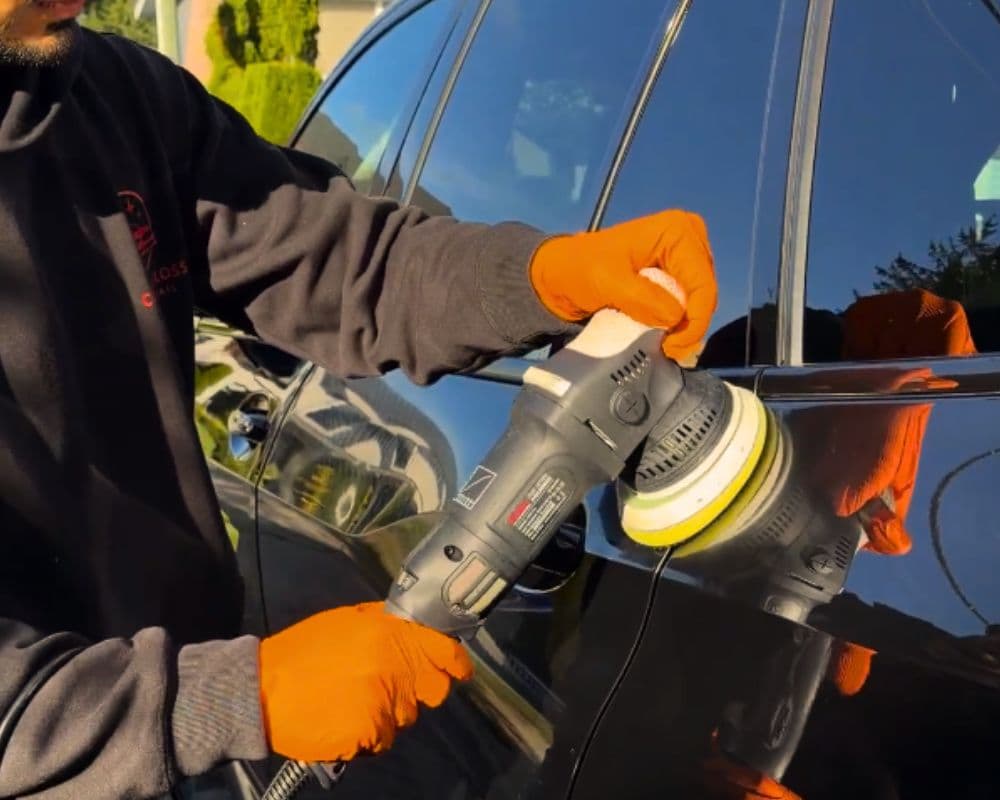
Metro Vancouver's conditions create a paint defect environment that's harder on clear coat than most of Canada. Automatic brush car washes are the single biggest source of swirl marks — spinning brushes drag road grit across your paint on every pass. In a city where self-serve facilities are limited and many owners use commercial washes regularly, swirling accumulates fast.
Winter road brine applied from November through March leaves a fine residue on every panel that bonds to the paint as it dries. Drivers who wipe their cars down before brine has been fully rinsed introduce fine scratches across the entire surface. Downtown parkades, especially older structures in Yaletown, Coal Harbour, and along Burrard, generate concrete dust that settles on cars parked overnight and gets wiped dry.
Tree sap and pollen are aggressive from April through June across Metro Vancouver — the North Shore, Burnaby Mountain, Coquitlam's Burke Mountain neighbourhoods, and Maple Ridge all sit under heavy cedar and fir canopy. Sap bonds quickly in warm weather and etches the clear coat if left. Bird droppings are similarly acidic and can etch craters within hours in direct sun. Hard water rinsing in high-mineral areas leaves mineral deposits that etch into the paint as they dry.
The combination makes paint correction a realistic maintenance item for most Metro Vancouver vehicles rather than a luxury. A car kept outdoors in Vancouver for three to five years typically shows enough swirling to benefit from at least a one-step correction.
Paint Correction Cost FAQ
What does paint correction usually cost?
In Metro Vancouver, paint correction costs roughly $250–$800 for a one-step polish, $450–$1,500+ for a two-step correction, and $985–$2,500+ for a three-step correction (2026 market range). Price depends on stage count, vehicle size, and paint condition. Shops billing hourly charge $120–$140 an hour, and most jobs run 8–16 hours.
Is car paint correction worth it?
Yes, if you plan to keep the car 2+ years, coat it afterward, or sell it in the near term. Visible swirl marks reduce perceived value and can't be removed by any wash or wax. Paint correction permanently removes the defects — new ones only come back if washing habits don't improve.
How long will a paint correction last?
The correction is permanent — defects are physically removed from the clear coat, not masked. What determines how long the finish stays perfect is the protection applied afterward: a paint sealant lasts roughly 3–6 months, a ceramic coating lasts years. Washing habits matter most — hand washing and a two-bucket method keep a corrected finish looking right.
How long does paint correction take?
A one-step polish takes about 3–6 hours. A two-step correction takes a full day or more. A three-step correction on neglected paint takes 2+ days. Vehicle size and paint condition are the main variables — a large SUV with severe defects takes significantly longer than a small sedan in good shape.
Can paint correction remove all scratches?
No. Paint correction removes surface defects in the clear coat: swirl marks, light scratches, haze, water spots, and mild oxidation. A scratch that catches your fingernail has gone through the clear coat, and polishing won't remove it. Rock chips, deep scratches, and peeling clear coat require touch-up paint or respray — not machine polishing.
Is one-step paint correction enough?
For newer cars with light swirls and haze, yes. A one-step polish removes roughly 60–80% of surface defects and is the standard prep before a ceramic coating on paint in good shape. Cars with moderate scratches, heavy water spots, or oxidation need a two-step process. Neglected or show-car paint requires a full three-step correction.
Why is paint correction more expensive on black cars?
Black and dark paint shows every micro-scratch and finishing mark that lighter colours hide. Many shops charge roughly $100 more because finishing dark paint requires additional polishing passes with finer products, more frequent inspection under direct lighting, and slower overall work. One compounding pass that looks clean on silver will show holograms on black.
Should I get paint correction before ceramic coating?
Yes, always. A ceramic coating bonds permanently to whatever finish is underneath it. Coating over swirl marks doesn't hide them — it locks them in, sometimes making them more visible under certain lighting. Correction before coating is not optional: it's what the durability and appearance of the coating depend on.
Ready to get your paint feeling like new again? Get in touch →
For full Metro Vancouver detailing prices across all service types, see the car detailing cost in Vancouver guide. For Crystal Gloss's specific correction process and what gets inspected before a quote, see the paint correction service page.